- Section
- Foodways
- Reading time
- 7 minutes
- Published
- October 7, 2026
- Origin
- Calle Lora, Las Tunas, eastern Cuba, 1979
- Base
- Hen or other meat, yuca, malanga, green plantain, potato
- Cooked for
- Neighbourhood gatherings on the night of 27–28 September
Where caldosa history begins: Las Tunas, 1979
The first pot was cooked on Calle Lora, in the eastern Cuban city of Las Tunas, on 27 September 1979. A young man named Luis Enrique Pérez Zaldívar had just come home from studies in the Soviet Union, and his parents marked the occasion with a stew. His father, José Enrique Pérez Rodríguez, known as Kike, was a bricklayer. His mother, Luz Marina Zaldívar Calzadilla, sewed and had worked for a time in food service. What they put in that pot became the caldosa recipe that Cubans still connect with their two names.
That account comes from EcuRed, the Cuban online encyclopedia, which also notes something every Cuban cook already knows: caldosa is a modern name for a very old idea. A thick stew of meat, starchy roots and seasoning sits in the same family as ajiaco and sancocho, the pot dishes found across Cuba and the wider Caribbean. Those older stews draw on African, Taíno and Spanish cooking at once. The 1979 version gave the idea a name, a place and a date.
How a song carried the Cuban caldosa across the island
A dish can stay famous on one street for decades and leave no trace in written history. This one travelled because of music. A neighbour in the same district, Rogelio Díaz Castillo, a doctor of pedagogical sciences, wrote a son, the Cuban song form, about the caldosa of Las Tunas. The singer Inocente Iznaga, known as El Jilguero de Cienfuegos, recorded it, and the song spread as fast as the stew.
Kike and Marina began cooking their caldosa at carnivals around the province and then further afield. According to EcuRed, Moa was the first municipality in the country to host them. Later they were asked to run a dedicated eating house, the Casa de la Caldosa, which opened on 18 September 1982 at the entrance to Las Tunas on the main highway from Camagüey. Kike helped build it.
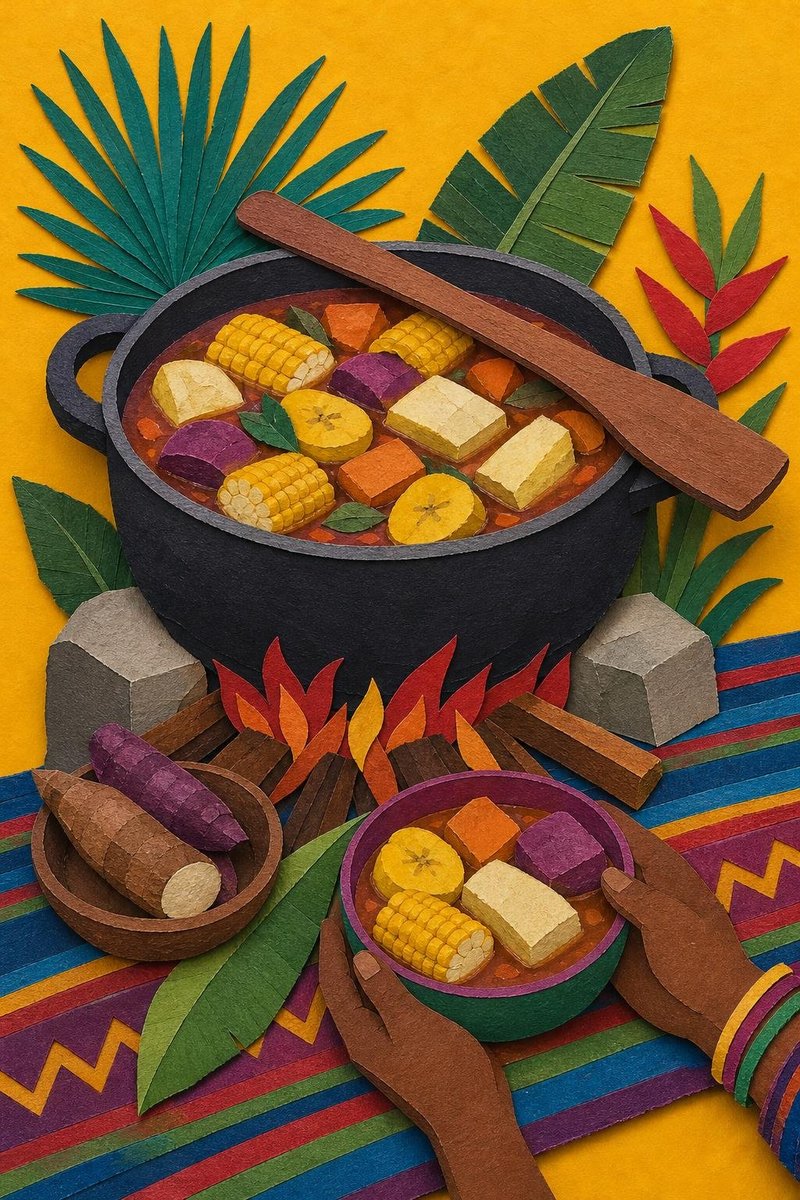
The history has one more layer, and it explains why the stew is cooked outdoors. The stew became tied to the Committees for the Defence of the Revolution, the neighbourhood organizations founded on the night of 28 September 1960. Each year, on the night of 27 to 28 September, residents gather on their block around a caldosa cooked over wood. Everyone brings something, and the pot has to absorb whatever arrives. EcuRed's name for the song and the dish together is the caldosa cederista: a committee member's stew.
Stews built for a crowd in places where ingredients are uneven tend to rely on starch. Meat is scarce and precious; roots and plantains are filling and forgiving. When a yuca or a malanga breaks down in the broth it thickens everything around it, and a pot that started thin turns spoonable without flour. A Cuban caldosa is less a recipe than a method for turning many small contributions into one meal.
Ingredients for a caldosa recipe that feeds a crowd
The quantities below follow the shape of the Kike and Marina version (one large hen, three yucas, four green plantains, four malangas, four potatoes) and translate it into amounts you can shop for in Canada. Fresh yuca, malanga and green plantain are sold at many Latin American, Caribbean and African grocers; frozen peeled yuca works well.
Serves about 10 · 2 to 2½ hours from start to finish
| Ingredient | Amount | Notes |
|---|---|---|
| Whole hen or stewing chicken | 1, about 2–2.5 kg | Bone-in thighs work if a hen is hard to find |
| Yuca (cassava) | 3 medium, about 1.2 kg | Peeled, woody core removed |
| Green plantains | 4 | Peeled and cut in thick rounds |
| Malanga (or taro) | 4 medium, about 800 g | Peeled and cubed |
| Potatoes | 4 medium | Peeled and cubed |
| Onions | 2 large | Chopped |
| Garlic | 1 whole head | Crushed |
| Sweet pepper (ají) | 2 | Chopped |
| Ground cumin | 2 teaspoons | Toast it in the oil |
| Prepared mustard | 1 tablespoon | Stirred into the sofrito |
| Water | about 5 litres | Add more as the roots thicken the pot |
| Salt, oil, lime | to taste | Soy sauce optional, near the end |
The method, step by step
Read the whole method once before starting. Nothing in it is difficult, but the timing depends on the age of the bird and the size of the root pieces, so plan on two to two and a half hours from the first onion to the first bowl.
- Cut the hen into pieces. Heat a little oil in a large heavy pot and brown the pieces on all sides over medium heat.
- Push the chicken aside, add the onion, garlic, sweet pepper and cumin, and cook until soft and fragrant. Stir in the mustard.
- Pour in the water, bring it to a boil, then lower the heat and simmer until the meat is tender, about an hour for a stewing hen.
- Lift the chicken out. Add the yuca, malanga, plantain and potato to the broth and simmer until all of it is soft, 30 to 40 minutes.
- Pull the meat from the bones and shred it. In the original Las Tunas method, the meat and some of the soft roots are ground into a purée and returned to the pot. At home, mash a few ladles of roots against the side of the pot and stir the shredded meat back in.
- Keep simmering, uncovered, until the stew is as thick as you want it. Taste for salt.
- About five minutes before serving, add a splash of soy sauce if you like, as Marina did.
- Serve in deep bowls with lime on the side.
Kike's own variation, which EcuRed calls La Poderosa, adds a dressing of lime juice, crushed garlic and tomato purée spooned into each bowl at the table.
Notes on cooking Cuban caldosa away from Cuba
The biggest variable is the hen. A true stewing hen needs time, but gives the broth body; a supermarket roaster is tender in half the time and leaves the stew lighter. Either works. An older laying hen from a small farm, if you can find one, is exactly the bird this stew was made for.
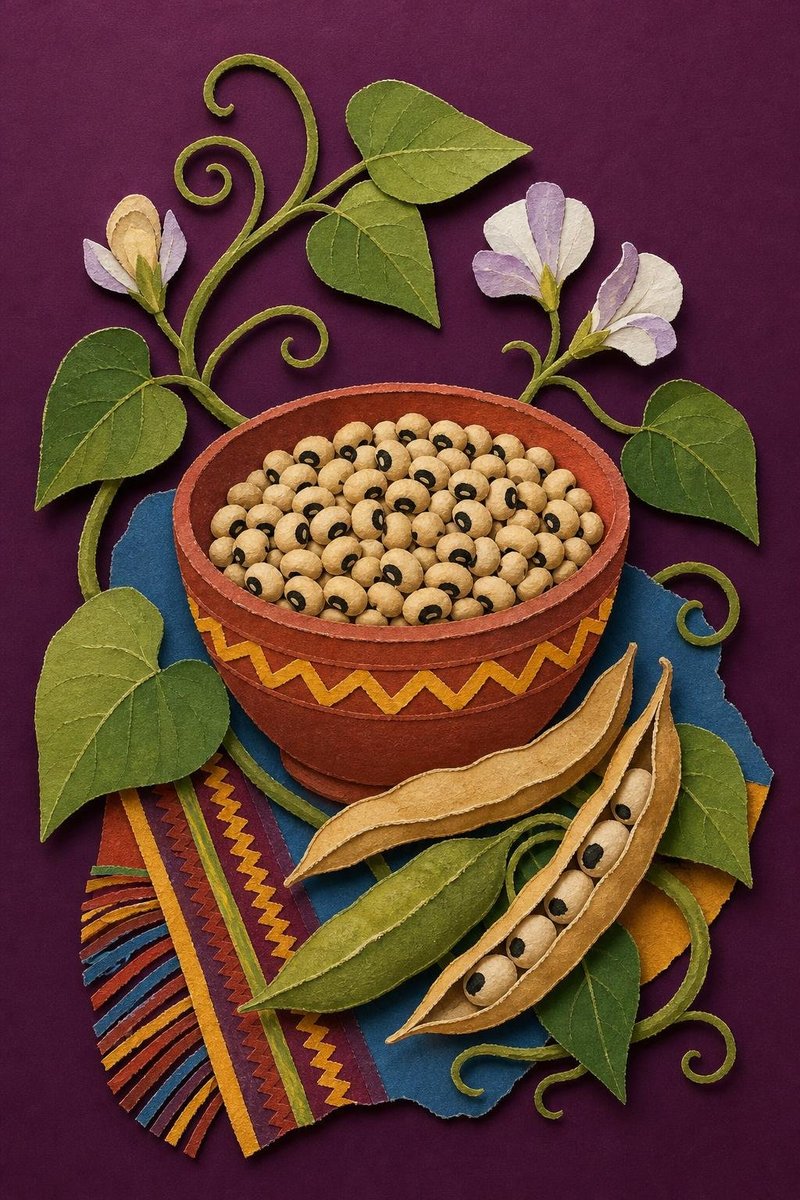
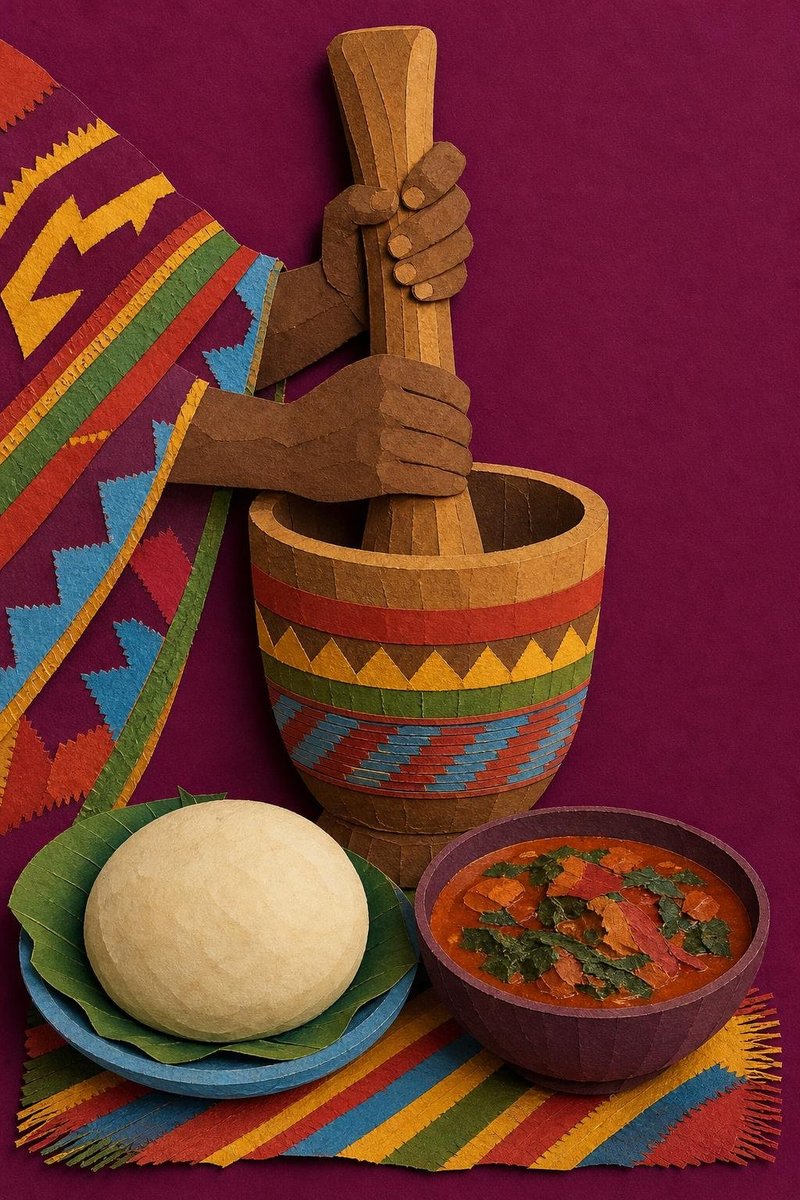
The roots matter more. A Cuban caldosa without yuca and malanga still tastes good, but it loses the texture that makes people go back for a second bowl. Frozen yuca is the easiest shortcut, and taro stands in for malanga without changing the method. If you grow your own beans or greens, the culturally relevant crops grown on the island fit in easily, and a handful of cooked black-eyed peas turns a meatless pot into a full meal. The same logic of pounded and mashed starch runs through fufu across the diaspora, and the two dishes sit comfortably side by side in any reading of Afro-Caribbean foodways.
Scaling the caldosa recipe for a block party
The tradition is to cook outdoors, over wood, in the biggest pot anyone owns. The arithmetic is simple: double the roots and water first, and add meat only as far as the budget allows. Keep a kettle of hot water nearby, because a caldosa that thickens too fast will catch on the bottom. Stir with a long wooden paddle. Let the last arrivals add their contribution even when the stew already looks finished.