- In this section
- 3 pieces
- Other sections
- Foodways · Food Security · Food Makers · Library
Southern Vancouver Island sits in a rain shadow, with dry summers, mild winters and nights that stay cool into June. That climate is generous to leafy greens and stingy with heat. For anyone trying to grow the crops of West Africa or the Caribbean, it sets the rules.
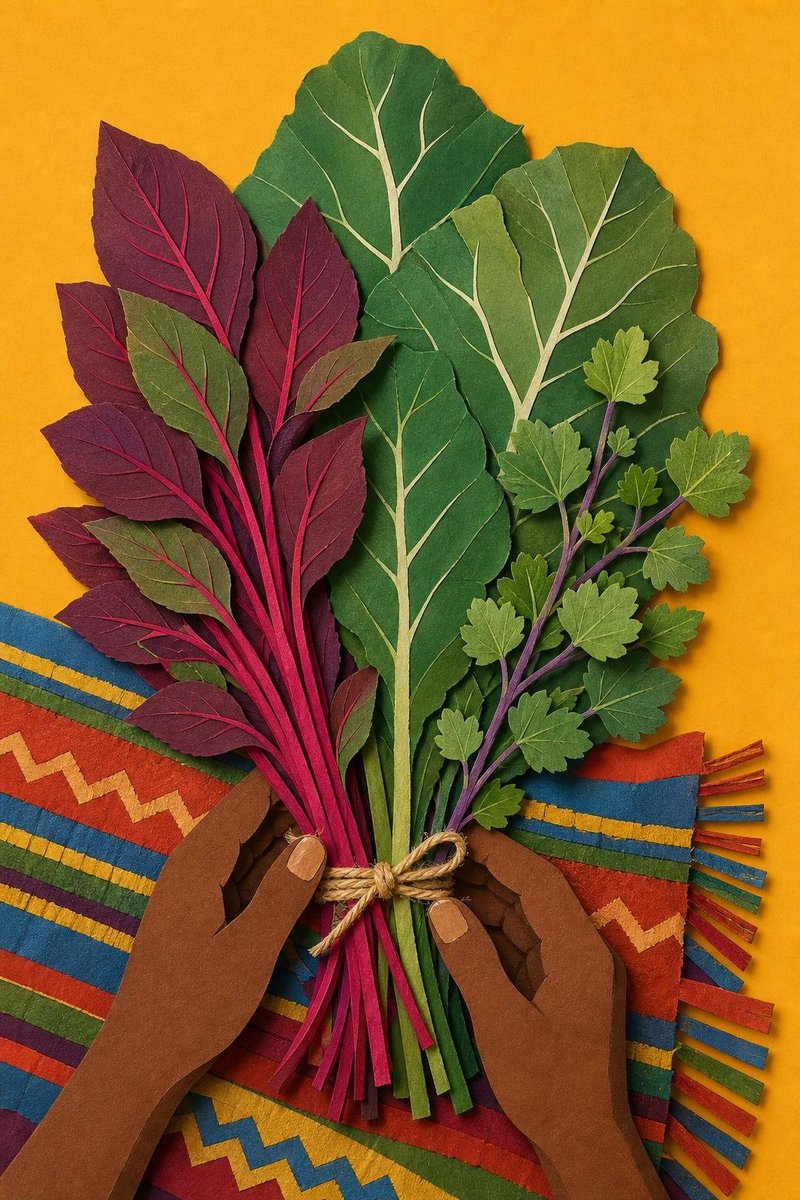
The pieces here cover three things. First, which crops are worth planting outdoors, which need cover, and which belong in the import aisle. Second, the greens in particular, since they are the easiest win and the most missed ingredient in many diaspora kitchens. Third, the places on the Saanich Peninsula where land, training and shared tools make small-scale growing possible.
Sowing and planting times are given by month. Where results depend on your site, the piece says so.
What the island climate gives and takes
Victoria gets more than 2,000 hours of sunshine a year and sees less summer rain than almost anywhere else in British Columbia. Winters are mild enough that kale and collards keep producing into January. The catch is heat. July days are warm, but the sea cools the nights, and many West African and Caribbean crops slow to a crawl in cool soil.
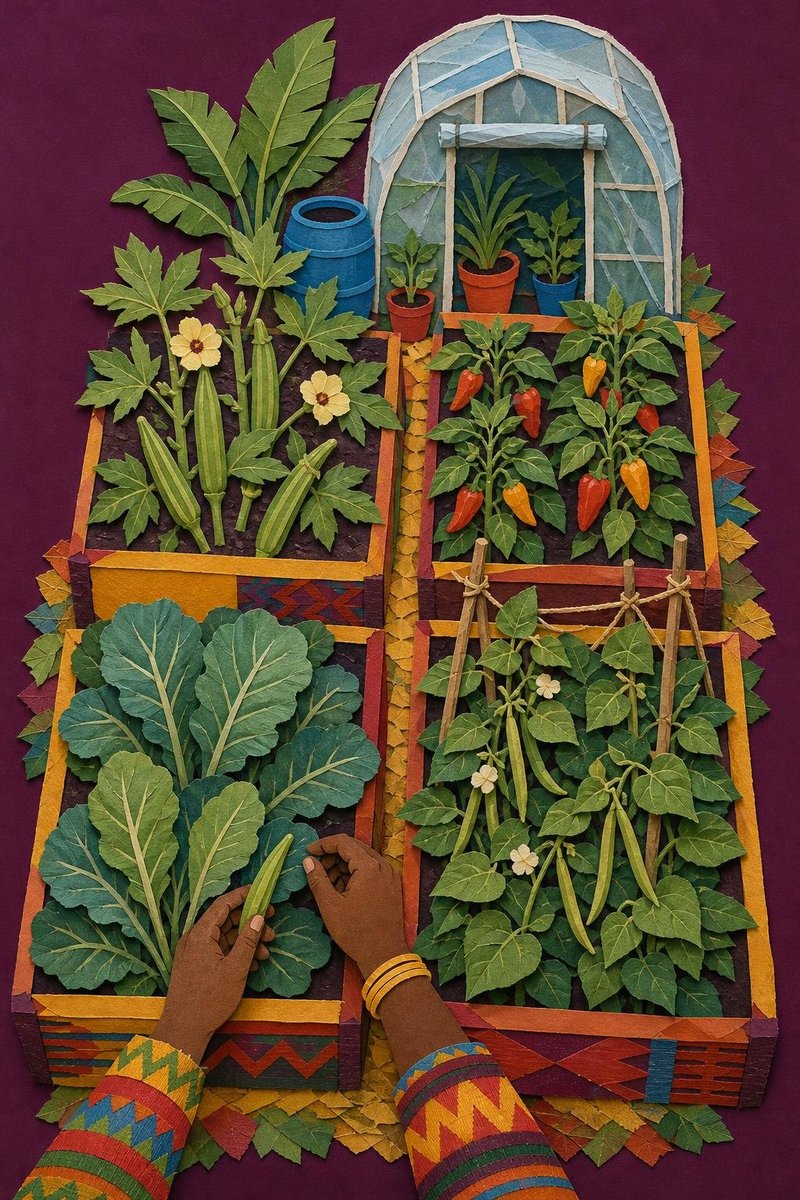
That leads to a simple rule of thumb. Leaves are easy, fruits are hard. Amaranth, collards, jute mallow and sweet potato leaves can be grown outdoors with a little shelter. Okra, African eggplant, cowpeas and hot peppers need a greenhouse, a polytunnel or at least black plastic mulch and a south-facing wall.
Land, plots and shared tools
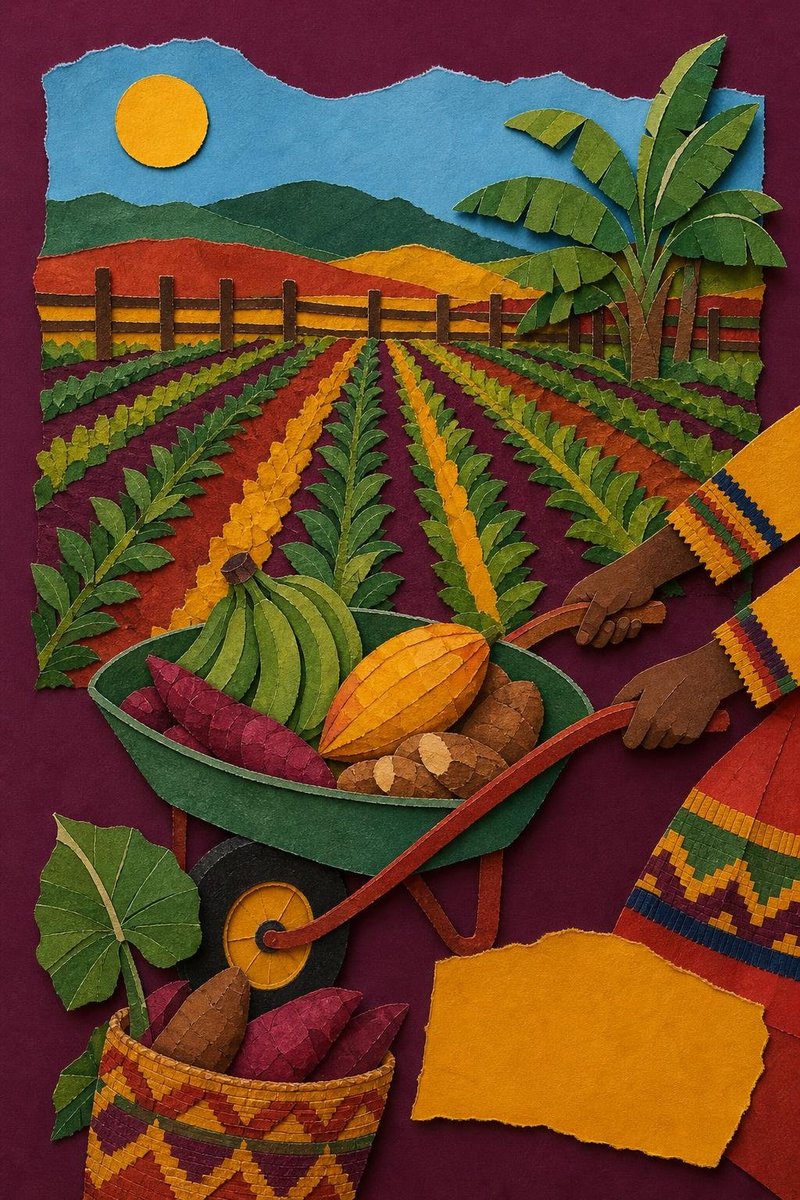
Most people who want to grow these crops do not own farmland. On the Saanich Peninsula, the Sandown Centre for Regenerative Agriculture leases small plots and shared equipment to new growers, and community gardens across Greater Victoria offer allotments with waiting lists. Urban farms such as FED Urban Agriculture Society have trialled amaranth (callaloo) and collards and shared the harvest with food access programs.
The pieces in this section cover those options alongside the plants, because a crop list is only useful if there is somewhere to sow it.
Seed saving is the last part of the picture. Varieties that have finished a season on the island are more likely to do it again, so growers who keep seed from their best plants slowly build strains that suit the local summer better than anything in a catalogue.
A growing year in short
The calendar below is a starting point for a sheltered garden near Victoria. Inland and at higher elevations, push every date back by a week or two.
In February and March, start hot peppers indoors under lights, since they need the longest run of any crop here. In April, sow amaranth and jute mallow indoors, and set sweet potatoes in water or damp sand so they grow slips. Collards and kale can go straight into the ground once the soil can be worked.
By late May or early June, when nights have stopped dipping close to freezing and the soil has started to warm, harden off the seedlings over a week and plant them out. The heat lovers go into the greenhouse or under plastic at the same time. From July to September the leaf crops are at their best, and regular cutting keeps them tender.
August is the month most new growers forget. A second sowing of collards and kale then will carry a household through the winter, picking a few leaves at a time. In October, before the rains settle in, pull the spent heat crops, save seed from the strongest plants, and cover empty beds with leaves or a cover crop so the soil is ready for spring.
A notebook helps more than any chart. Writing down sowing dates, the first harvest and the first frost for three or four seasons shows what a particular garden can really do. Note the variety and where the seed came from as well, so a good year can be repeated.
Questions readers ask
Which African and Caribbean crops grow outdoors on Vancouver Island?
Leafy crops do best: collards, amaranth (callaloo), and in warm years jute mallow and sweet potato leaves. Start the warm-season greens indoors and plant them out after the soil has warmed in late May or June. Heat-loving fruiting crops such as okra and peppers rarely ripen well outdoors here.
Do I need a greenhouse?
For okra, cowpeas, African eggplant and Scotch bonnet or other hot peppers, a greenhouse or polytunnel makes the difference between a crop and a disappointment. Cool nights are the problem more than daytime temperature. A cold frame or cloche helps leafy greens get an earlier start.
Where can a new grower find land near Victoria?
Community garden allotments across the region, incubator plots at the Sandown Centre for Regenerative Agriculture in North Saanich, and land-matching services such as the BC Land Matching Program, which connects people looking for farmland with landholders. Waiting lists are common, so it pays to apply early in the year.
When should seeds be started?
Peppers need the longest lead, often from late winter. Amaranth, okra and eggplant are usually started indoors four to six weeks before planting out. Collards can be sown directly in spring and again in midsummer for a winter crop. Local seed suppliers publish island-specific sowing calendars.