- In this section
- 11 pieces
- Other sections
- Foodways · Growing · Food Security · Food Makers
This is the full index: histories of dishes and ingredients, guides to growing them on the island, research on who goes without, and practical guides for small food makers.
If you are new here, three pieces give a good sense of the range: the history of black-eyed peas, the guide to culturally relevant crops on Vancouver Island, and the food makers resource guide.
How the articles are organized
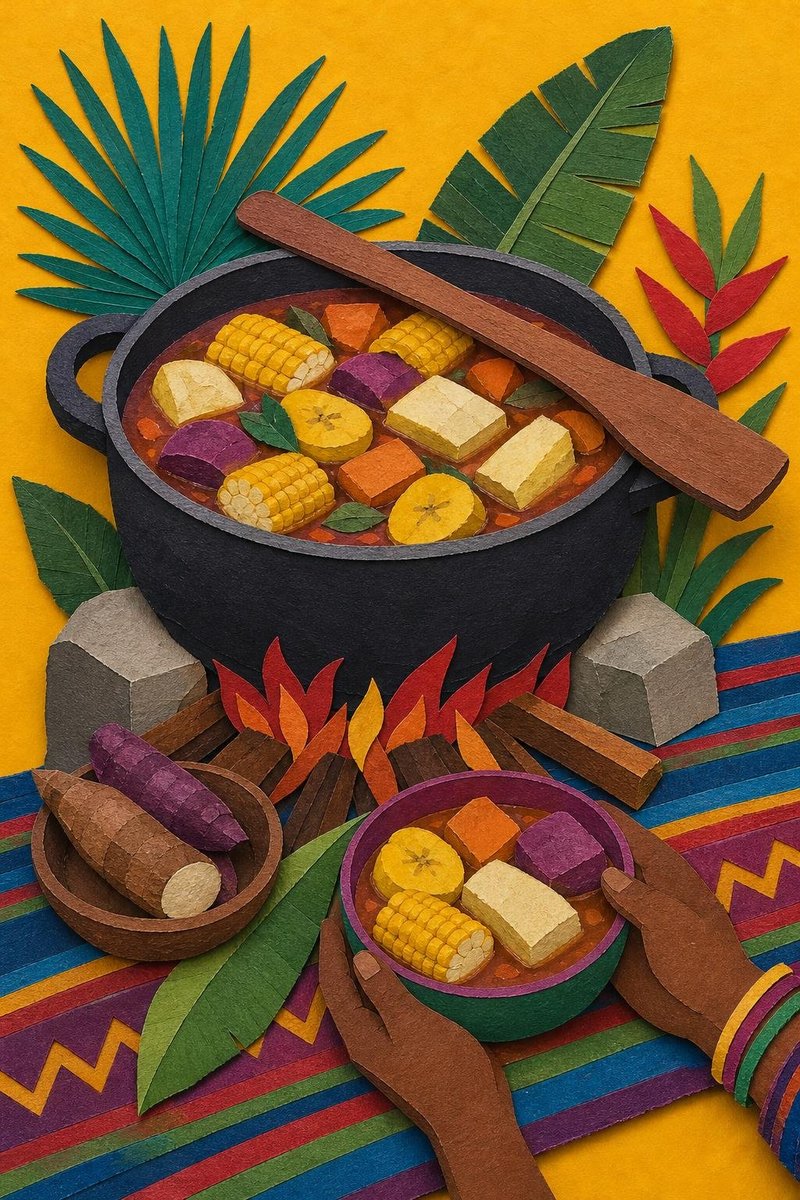
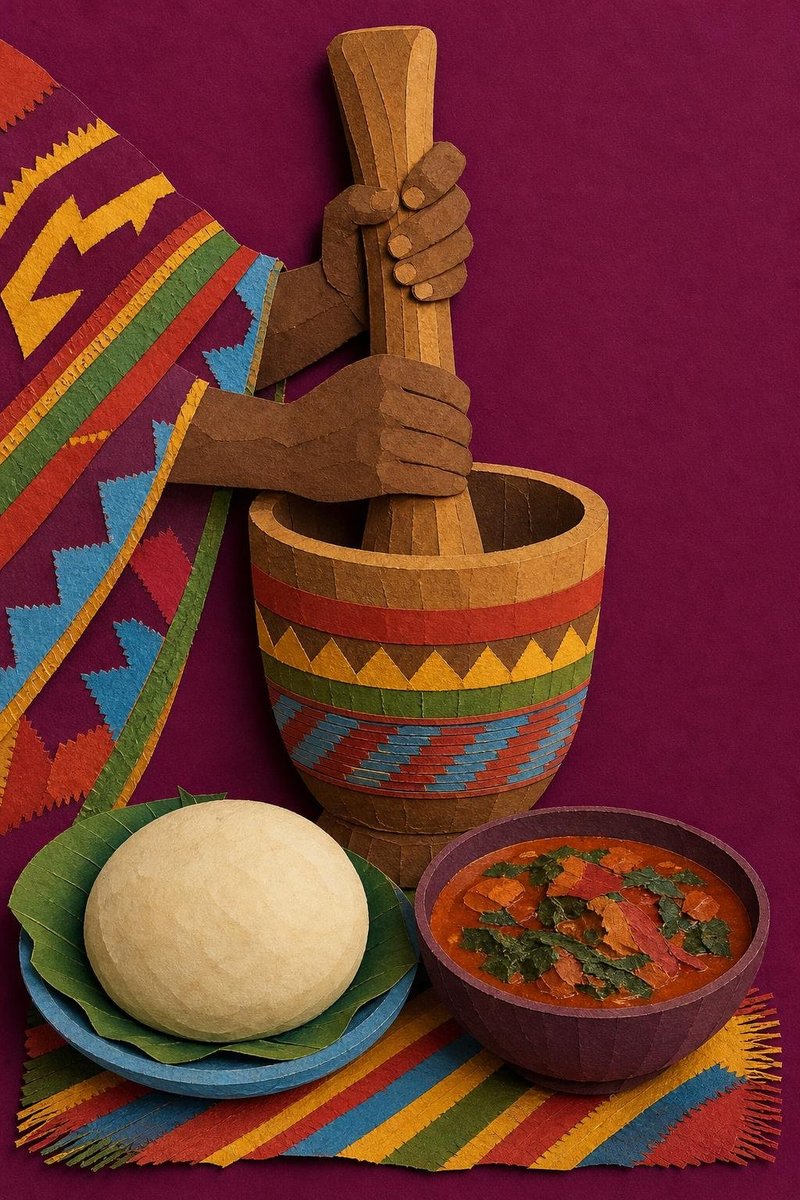
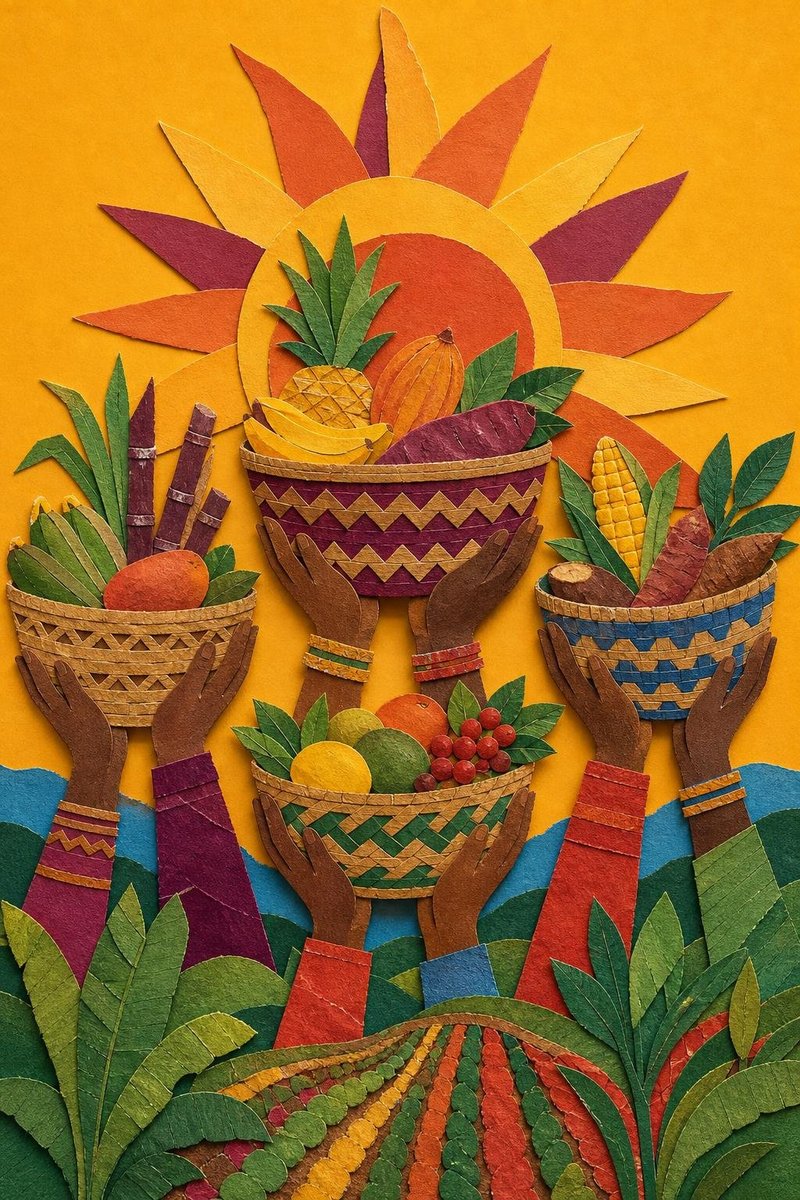
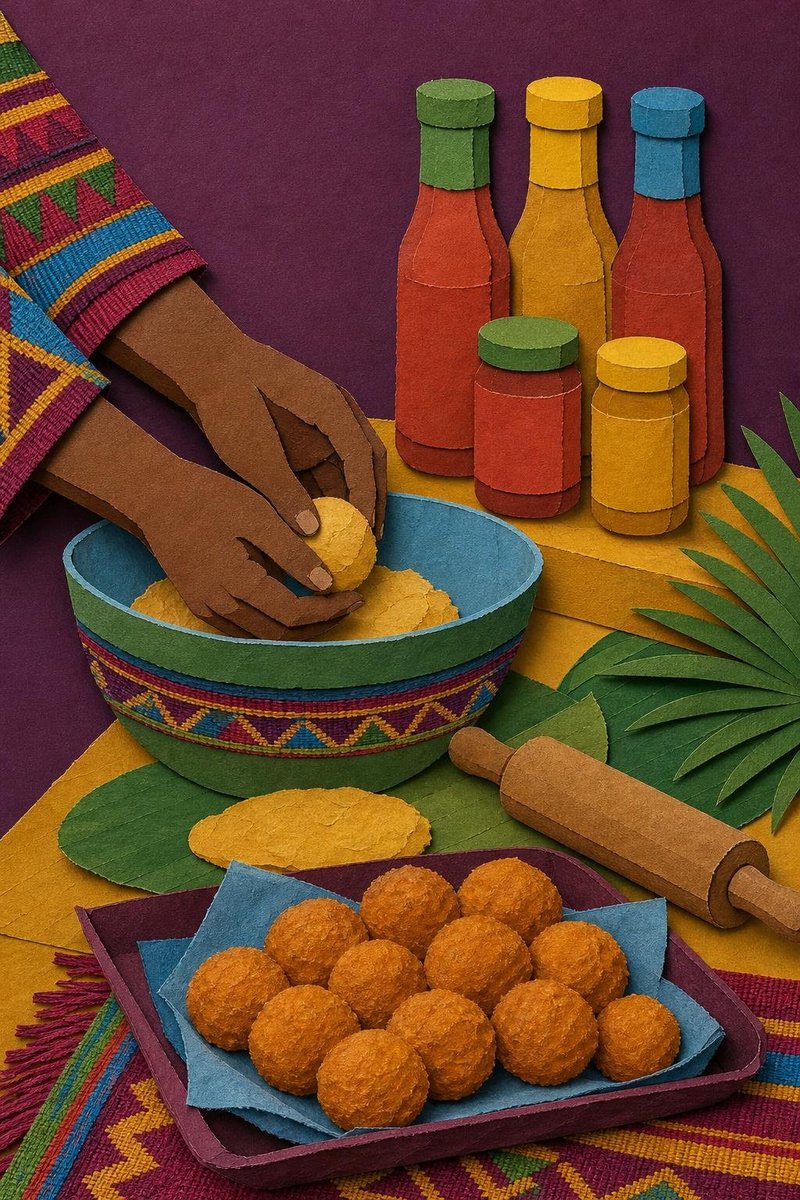
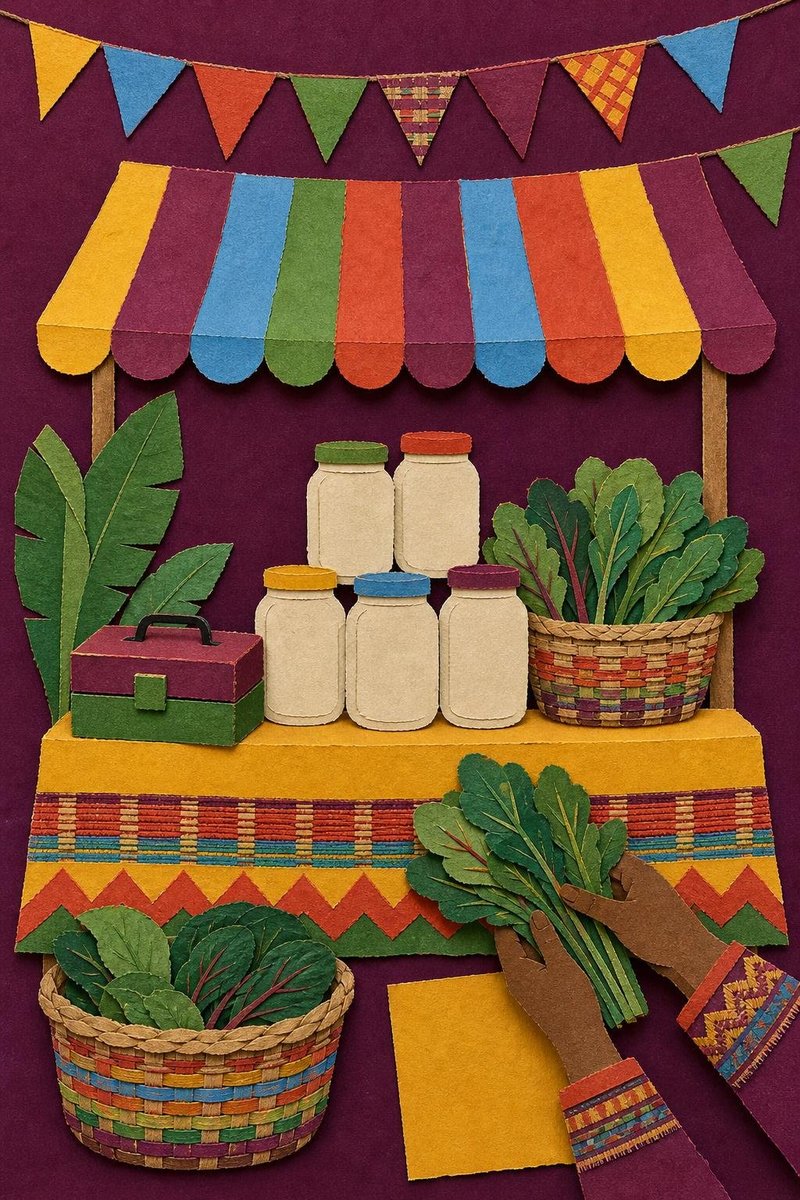
Every piece belongs to one of four subject sections, and this library lists them all together. Foodways covers the histories of dishes and ingredients. Growing covers crops, climate and land on Vancouver Island. Food Security covers research and the movements that grew from it. Food Makers covers permits, kitchens and markets. Each article links to its neighbours, so a reader who starts with fufu can follow the thread to the greens it is eaten with, and from there to the question of where those greens can be grown.
Sources and dates
Articles name their sources in the text, and many link to primary ones: Statistics Canada tables, Island Health and Canadian Food Inspection Agency pages, UNESCO listings, university extension pages. Each carries the date it was published, and guides that depend on rules or fees are revised when those rules change. If a figure in an article looks out of date, the body that publishes it is the place to check first.
Where to start
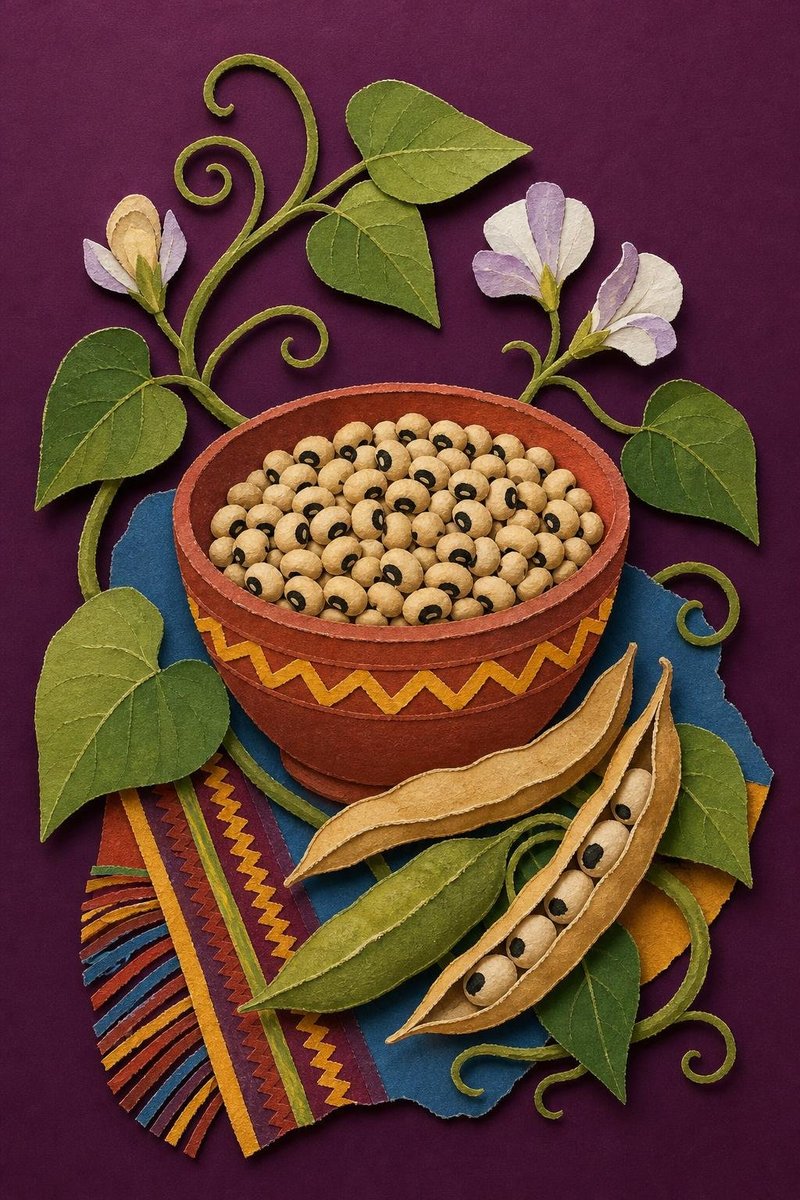
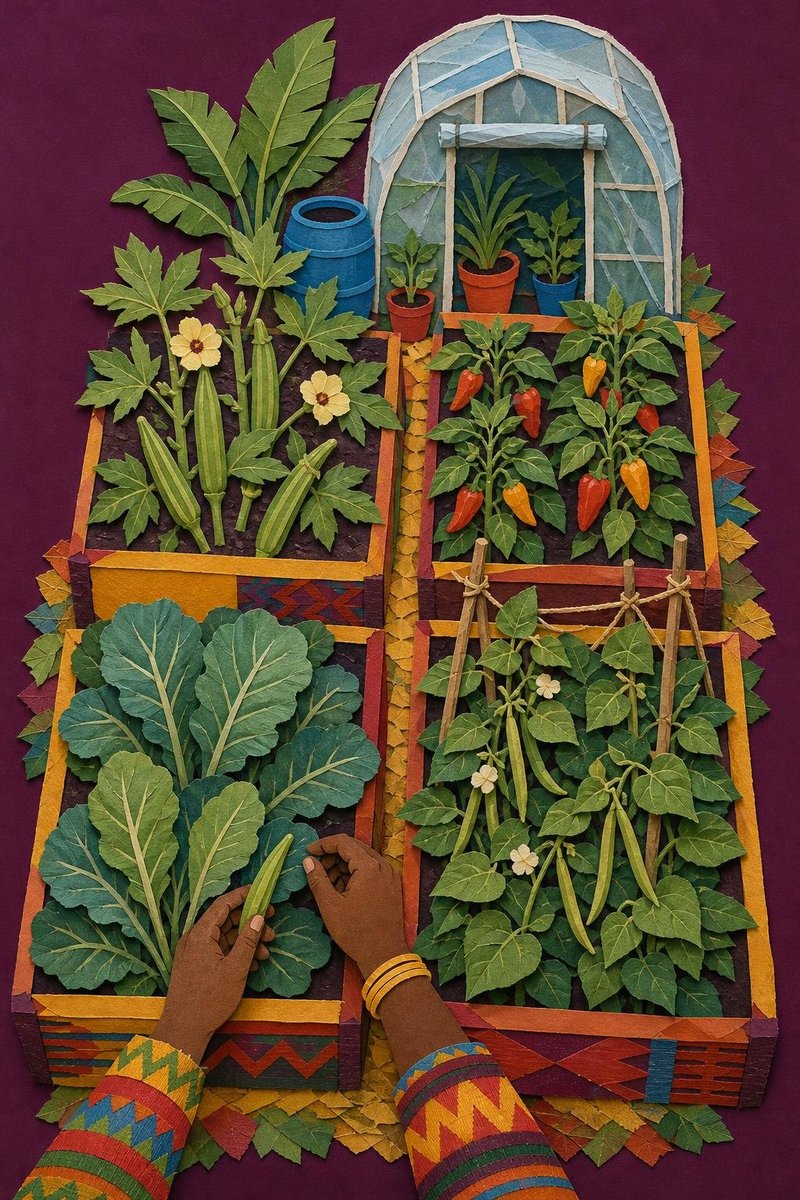
Those three, in a little more detail: The history of black-eyed peas shows how one bean connects West Africa, the Caribbean and the American South. The guide to culturally relevant crops lays out what will and will not grow on the island. The food makers resource guide is the practical one, written for anyone thinking about a first market table.
The articles below are grouped by section: Foodways, Growing, Food Security, then Food Makers.
Questions readers ask
How often are new articles published?
New pieces are added a few at a time, and existing guides are revised when the rules or figures they rely on change. Each article shows its publication date beside the text, and the section pages list everything that is currently published.
Can I cite or share these articles?
Yes, linking to an article is always welcome. Facts in the articles come from the public sources named in them, so for research or official use it is best to cite those primary sources directly as well.
Why are some topics missing?
The publication covers a focused set of subjects: African diaspora dishes, crops for the island, food security research and small food businesses. Topics are added when there are reliable sources to write from, so some popular questions do not have an article yet.
How do I find articles on one subject?
Use the section links at the top of every page: Foodways, Growing, Food Security and Food Makers. Each section page lists only its own articles, while this library lists all of them together.